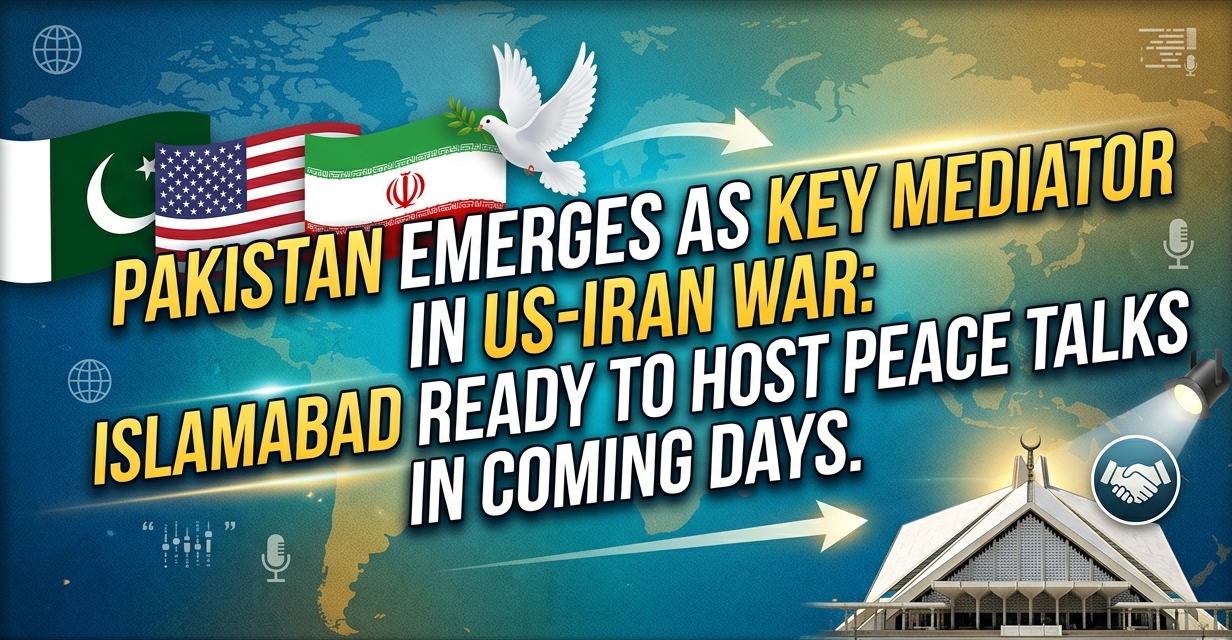
Islamabad, March 30, 2026 — In a significant diplomatic development, Pakistan has positioned itself as a central mediator between the United States and Iran amid the ongoing conflict that entered its second month. Foreign Minister and Deputy Prime Minister Ishaq Dar announced that both Washington and Tehran have expressed confidence in Pakistan’s facilitation role, with Islamabad prepared to host “meaningful and conclusive talks” soon.
This move comes after high-level regional consultations in Islamabad involving foreign ministers from Saudi Arabia, Turkey, and Egypt. The four nations discussed ways to de-escalate the US-Israel war on Iran and explore reopening the Strait of Hormuz, a critical chokepoint for global oil supplies.
Pakistan’s Diplomatic Push Gains Momentum
Prime Minister Shehbaz Sharif has been actively engaged, holding an hour-long phone conversation with Iranian President Masoud Pezeshkian to brief him on Pakistan’s outreach efforts. Pakistan’s Army Chief, Field Marshal Syed Asim Munir, has also played a pivotal behind-the-scenes role as a key interlocutor, leveraging strong ties with both sides.
Foreign Minister Ishaq Dar confirmed that Pakistan is relaying messages between the US and Iran, describing the process as “indirect talks.” A US-proposed 15-point plan for a potential ceasefire has been delivered to Tehran and is currently under deliberation.
Dar stated after the quadrilateral meeting: “Pakistan is very happy that both Iran and the US have expressed their confidence in Pakistan to facilitate the talks. Pakistan will be honored to host and facilitate meaningful talks between the two sides in the coming days.”
China has also voiced full support for Pakistan’s initiative, adding weight to the diplomatic track.
Breakthrough on Strait of Hormuz: Iran Allows 20 Pakistani Ships
In a positive development linked to the mediation efforts, Iran has agreed to allow 20 additional Pakistani-flagged vessels to transit the Strait of Hormuz, with two ships permitted daily. Foreign Minister Dar hailed this as “a welcome and constructive gesture by Iran” and “a meaningful step toward peace.”
The Strait of Hormuz remains largely restricted due to the conflict, contributing to global energy disruptions and rising fuel concerns in Pakistan and beyond. Reopening or easing access to this vital waterway is seen as a core demand in ongoing negotiations.
Why Pakistan? Unique Position as Neutral Broker
Pakistan maintains workable relations with both the United States and Iran, sharing a long border with the latter. Analysts note that Islamabad’s balanced ties, combined with its strategic location and military-to-military contacts, make it a credible facilitator at a time when direct communication between Washington and Tehran remains limited.
The recent four-nation talks in Islamabad, originally planned elsewhere, were shifted to the Pakistani capital to reflect the country’s deepening involvement.
Viral Moment: Ishaq Dar’s Fall During Welcoming Ceremony
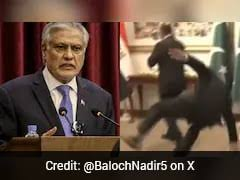
During the high-stakes summit, a light moment turned viral when Foreign Minister Ishaq Dar stumbled while welcoming Egypt’s Foreign Minister. He was quickly helped up and continued proceedings unharmed. The clip circulated widely on social media, drawing mixed reactions of concern and humor amid serious diplomatic discussions.
What Lies Ahead?
While Pakistan has offered to host direct or indirect talks, no confirmed dates or formats have been announced from the US or Iranian sides yet. Challenges remain high, with deep mistrust and ongoing military developments in the region.
Success could elevate Pakistan’s global diplomatic stature and help stabilize energy markets affecting millions. Failure, however, risks drawing the country deeper into regional tensions.
Related Stories:
- Pakistan Hosts Saudi, Turkish, Egyptian Diplomats for Iran War Talks
- Iran Agrees to Let 20 Pakistani Ships Through Strait of Hormuz
- Why Pakistan Emerged as Unexpected Mediator in US-Iran Conflict
This story is developing rapidly. Stay tuned for live updates on potential US-Iran talks in Islamabad, impacts on oil prices, and Pakistan’s role in regional peace efforts.