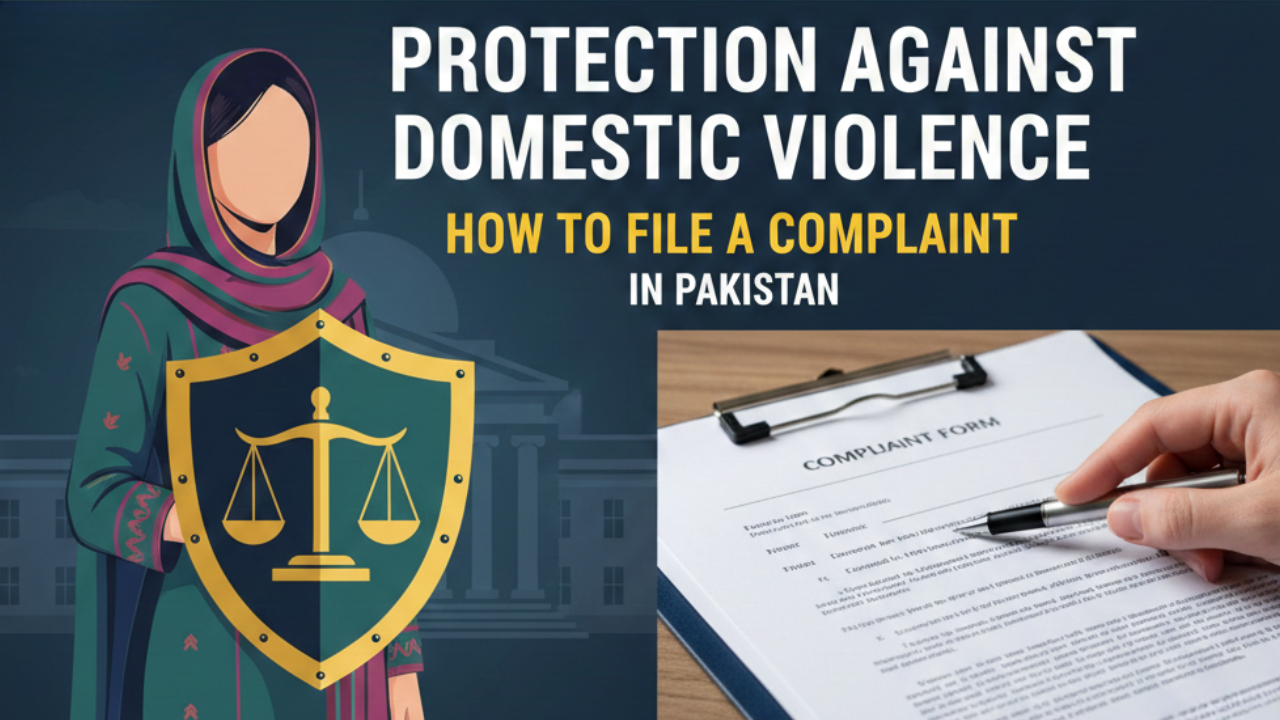
Domestic violence is not limited to physical hitting. Under the current laws of Pakistan, it includes emotional abuse, stalking, verbal insults, economic deprivation (denying money for basic needs), and cyber-harassment.
If you or someone you know is in danger, the law now provides “Protection Officers” and “Violence Against Women Centers (VAWC)” to act as a shield. You do not have to fight this battle alone.
1. Immediate Help: The 24/7 Helplines
Before filing a formal court case, your priority is immediate safety. Pakistan has established dedicated helplines that are operational 24 hours a day.
- National Helpline (Ministry of Human Rights): Dial 1099.
- Punjab Women Protection Helpline: Dial 1737.
- Police Emergency: Dial 15.
These operators are trained to provide guidance, dispatch a rescue team if necessary, and refer you to the nearest shelter or protection officer.
2. Step 1: Reporting to a Women Protection Center (VAWC)
In 2026, most major districts in Punjab and Sindh have Violence Against Women Centers (VAWCs). These are “one-stop shops” where you can find police, doctors, and lawyers under one roof.
- Visit the Center: You can walk in or be brought by a Protection Officer.
- The Complaint: You will meet a District Women Protection Officer (DWPO). They will record your statement in a safe, private environment.
- Medical Examination: If there is physical hurt, a female doctor will perform a medical exam. The Medico-Legal Report (MLR) is the most important piece of evidence for your case.
- Police Reporting: The center will facilitate the lodging of an FIR (First Information Report) if a criminal offense (like physical injury) has occurred.
3. Step 2: Filing a Petition in Court
Domestic violence cases are often handled by a Magistrate of the First Class. Unlike a standard criminal trial which can take years, domestic violence petitions have strict timelines in 2026.
- The Petition: You (or a Protection Officer on your behalf) file a petition.
- The 7-Day Rule: The court must fix the first hearing within 7 days of receiving your petition.
- The 90-Day Rule: The law mandates that the entire case should be decided within 90 days.
4. Understanding Your Rights: The 4 Types of Orders
When you file a complaint, the Judge can issue specific “Orders” to ensure your safety:
| Type of Order | What it Does |
| Interim Order | An immediate, temporary order issued on the first day to stop the abuser from hurting you while the case is pending. |
| Protection Order | Directs the abuser to stay a certain distance away from you, stop all communication (calls/texts), and surrender any weapons. |
| Residence Order | Legally prevents the abuser from kicking you out of the house. You have the right to stay in the home even if it is owned by the abuser. |
| Monetary Order | Orders the abuser to pay for your medical bills, lost wages, and monthly maintenance (money for food and kids). |
5. Protection for Overseas Pakistanis
If you are an Overseas Pakistani woman visiting and facing abuse, or if your family in Pakistan is being threatened:
- You can authorize a Protection Officer or a lawyer from ASR Law Associates to file the petition on your behalf.
- The court can allow testimony via Video Link if you have had to leave the country for your safety.
6. The Role of “GPS Trackers” (2026 Update)
Under the Punjab Protection of Women Against Violence Act, if an abuser is a repeat offender or poses a high risk, the court can order them to wear a GPS anklet or wristband. This allows the Women Protection Authority to monitor their movement and ensure they do not come near your residence or workplace.
7. Evidence Checklist
To make your case stronger, try to keep a record of:
- Photographs: Of any injuries or broken items in the house.
- Medical Records: Any previous visits to a clinic or hospital due to abuse.
- Digital Evidence: Screenshots of threatening messages or recordings of verbal abuse.
- Witnesses: Neighbors, relatives, or even domestic staff who have seen the violence.
8. Conclusion: Your Safety is the Priority
Domestic violence thrives in silence. The laws of 2026 are specifically designed to break that silence by providing confidential, fast-track justice. Whether you choose to reconcile through court-ordered counseling or seek a permanent separation, the law ensures you do so from a position of safety and dignity.
At ASR Law Associates, we handle domestic violence cases with the utmost confidentiality and urgency. We believe that no one should feel like a prisoner in their own home.
Do You Need Urgent Protection?
If you are facing domestic abuse and need help navigating the legal system, filing for a protection order, or finding a safe shelter, our team is here to support you.
Contact ASR Law Associates:
Disclaimer: If you are in immediate physical danger, please call 15 or 1737 immediately. This article provides legal information and is not a substitute for emergency services or individual legal advice.